

8 Best Ways to Be More Independent
Independence. It’s what most of us dream of when we’re young, but when we hit adulthood, it becomes a bit more daunting. Independence isn’t just living on your own. Independence at its most basic level is being able to make decisions on your own. Personal independence is also about being the master of your own destiny, developing the strength to stand up for what you believe in, and having the capability to manage your own life effectively toward your goals. True independence involves a strong sense of self, self-confidence, and a belief in one’s own abilities.
Developing personal independence is crucial for several reasons, especially when you’re young. Independence helps you:
- Develop self-reliance
- Experience personal growth and self-discovery
- Develop better decision-making
- Build resilience
- Prepare for the future
Remember that learning to be more independent is a process, and it will come a little bit at a time. Below, we dive into some of the best ways to learn how to be independent.
Identify your Goals and Priorities

Learning how to be more independent often starts with identifying your personal goals and skills. This is a process of self-discovery where you take the time to really delve into what you want to achieve in life. While a general sense for what you want is helpful, it’s also powerful to set specific and measurable goals. You may consider SMART (Specific, Measurable, Achievable, Relevant, Time-bound) goals. For example, instead of saying “I want to be more independent with food,” your goal could be “I want to cook one new meal each week.”
Once you have goals, it’s important to prioritize them. Not all goals hold the same weight, and it’s important to know what takes precedence at different stages of your life. If you’re a student, you might prioritize your academic and professional goals and save your other goals for the summer. Prioritizing helps you focus on what matters most, so you’re accomplishing the big pieces first, before the details.
Develop Self-Reliance and Confidence

Developing life skills like self-reliance and confidence is another crucial aspect of personal independence. It can be tough, at first, to trust your own abilities and decision-making capabilities. But true independence involves believing in your capability to handle tasks, solve problems, and make valuable contributions. This goes hand-in-hand with taking responsibility for your decisions. Making decisions makes you responsible for the outcome—both the successes and failures. This ownership develops a sense of accountability and helps you move toward becoming independent
Much of your growth and self-reliance will stem from challenges life throws at you. When you fail, take the opportunity to view these moments as learning opportunities. When you do that, you can turn every setback into a chance to learn about yourself, acquire new skills, or refine your approach to life.
Build a Support System

As backward as it sounds, you learn how to become independent on your own. While independence involves relying on oneself, it doesn’t mean isolating oneself. In fact, the people around us can help us become more independent. Here are three ways to build a support system that can empower you to become more independent:
- Surround yourself with positive influences, individuals who inspire, motivate, and uplift you. Their positivity can rub off on you, encouraging you to pursue your goals with greater zeal.
- Seek guidance and advice from mentors. They might be professionals in your field, your professors, or even your parents. Find people with insights to broaden your perspective.
- Network with like-minded individuals. Join clubs or societies involving your interests. These interactions can open doors to opportunities and help you better understand yourself.
Learn Effective Communication Skills

Communication is key in all relationships, including with yourself. Being truly independent means you will need to know how to effectively communicate to move your life forward. These skills are not just about expressing yourself clearly but also about active listening and understanding others’ perspectives.
Active listening helps you to absorb, understand, and respond to the information and can help you learn to have deeper conversations and more meaningful relationships. Being an effective speaker means you can articulate your thoughts while negotiating skills help you adapt to conflict and resolve problems.
As you become a more proficient communicator, you’ll find that you’re prepared to handle so many different situations that come your way: negotiating a better grade with a professor, resolving a misunderstanding with a roommate, or expressing your ideas in a group project. Working toward developing your skills can come through school, formal training, or something unique like a gap year with Take Action Lab.

Spend Time Alone

Spending time alone can play a surprisingly pivotal role in your journey towards personal independence. Solitude is hard to come by in the digital world, but taking a few moments alone helps you engage in introspection, explore your own thoughts, and gain deeper understanding of who you are and what you want. Solitude is the perfect place to really connect with yourself. You’re able to avoid the stimuli of constant contact and recharge and rejuvenate.
But don’t worry. You shouldn’t spend all your time alone. Isolation doesn’t help anyone. Occasional time alone can help you avoid codependency and ensure your happiness isn’t tied to anyone else.
Be Aware of Codependency
Try Something New
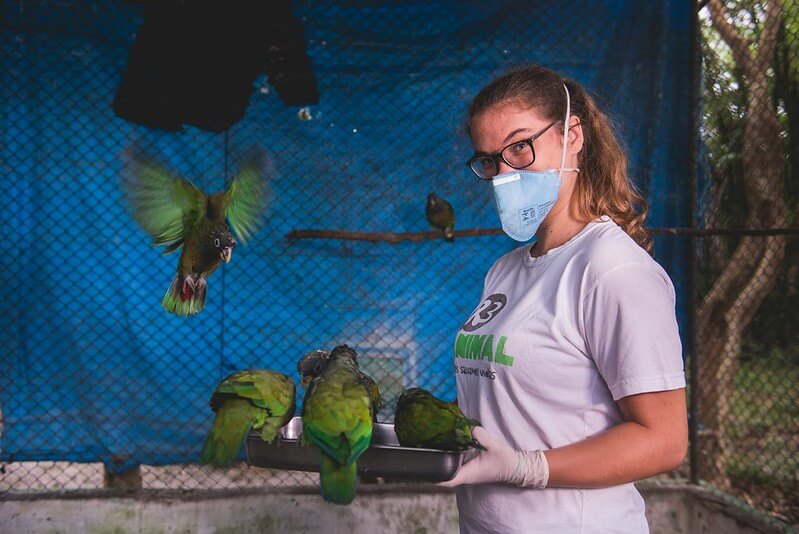
A powerful way to foster personal independence is by trying something new and stepping outside of your comfort zone. Your comfort zone may be safe, but it’s limiting. When you push your boundaries, you’re also pushing your capability for growth and independence. Trying something new can be something as simple as joining a club, picking up a new hobby, taking a fun class, or really pushing yourself with a gap year or semester abroad. Taking on a culturally immersive experience like a semester abroad will expand your horizons and teach you to navigate entirely new situations. Ultimately, this experience will equip you with a stronger sense of independence.
Maintaining Independence

While the past 6 steps are about how to become more independent, it’s worth also considering maintaining independence. Independence is a lifelong journey that will require continuous effort. How can you work to maintain independence? Here are a few tips:
- Continuously work towards your goals. Don’t forget about those goals you’ve made. Always keep putting in effort to move toward your goals. When you’re doing that, you’re working towards independence continuously.
- Practice self-care and self-reflection. Taking care of your physical, emotional, and mental health is critical to sustaining your independence. This includes adequate rest, regular exercise, a balanced diet, and time for leisure and relaxation.
- Don’t be afraid to seek help when needed. No one can fully become independent without a little help. Asking for help isn’t just necessary; it’s prudent and mature.
By incorporating these elements into your life, you can cultivate and maintain a robust sense of personal independence.
Did You Know A Gap Year Can Show You How to Be More Independent?

When learning how to be independent, taking a gap year or semester abroad can be a powerful leap. Immersing yourself in a new culture challenges you to navigate public transportation, manage a budget, cook your own meals, and adapt to unfamiliar environments. These real-world experiences strengthen your confidence, problem-solving skills, and self-reliance. Living away from your support system also fosters personal responsibility and emotional growth.
Exposure to different cultures broadens your perspective and sharpens your communication skills, helping you form meaningful, respectful relationships across backgrounds. A gap semester or year abroad isn’t just a break, it’s a chance to grow, step outside your comfort zone, and become more independent. If you’re ready to take that step, learn more about taking a gap year with Take Action Lab.