RESOURCES
2025-06-09
The Benefits of Cultural Awareness: A Path to Personal Growth
Discover the transformative benefits of cultural awareness for college students, including personal growth, enhanced communication, and global impact.
Published by Tilting Futures

In today’s interconnected world, cultural awareness is no longer just an asset; it’s a necessity. As globalization continues to weave societies closer together, understanding and appreciating cultural differences has become an essential skill, especially for young adults preparing to step into a diverse academic or professional environment.
For college students and aspiring changemakers, cultural awareness offers more than just surface-level benefits—it provides the tools to foster empathy, break down stereotypes, and approach global challenges with creativity and compassion. Immersing oneself in new cultures can lead to personal transformation, equipping individuals with the ability to collaborate effectively in multicultural spaces.
Understanding Cultural Awareness
Cultural awareness is the ability to recognize, understand, and appreciate cultural differences while respecting the values and beliefs of others. It involves developing an informed perspective that values diversity rather than fearing it. In today’s globalized world, cultural awareness serves as a bridge that connects individuals across different languages, traditions, and belief systems. It fosters curiosity rather than judgment, empowering individuals to celebrate diversity and recognize the richness it brings to communities and workplaces.
At its core, cultural awareness fosters empathy, allowing individuals to step into someone else’s shoes and view the world through their lens. This process helps to break down harmful stereotypes and assumptions, creating more inclusive spaces where everyone feels valued. Through cultural awareness, individuals gain the tools to address misunderstandings with patience and respect, leading to deeper connections and stronger collaborations. It also encourages continuous learning, as cultural awareness is not a static skill but a mindset that evolves with experience and exposure to new ideas.
The Importance of Cultural Awareness
The importance of cultural awareness extends far beyond interpersonal connections. In academic and professional settings, it enhances collaboration and communication, ensuring individuals can work effectively with peers from diverse backgrounds. For students, it enriches classroom discussions and projects by incorporating varied perspectives, while in the workplace, it boosts teamwork and innovation.
Cultural awareness promotes inclusivity, making it easier to navigate multicultural environments without alienating others. It also reduces unconscious bias, encouraging fairer interactions and decision-making processes. Organizations that prioritize cultural awareness often experience higher morale and engagement, as employees feel seen and heard. From classrooms to boardrooms, understanding cultural differences leads to stronger, more harmonious relationships, equipping individuals to lead with empathy and authenticity in a rapidly evolving global landscape.
The Benefits of Cultural Awareness
Personal Growth and Development
Exposure to different cultures often acts as a mirror, reflecting our values, beliefs, and assumptions. It challenges individuals to examine their biases and encourages growth through self-discovery. Engaging with diverse perspectives fosters introspection, allowing students to better understand their own identities and beliefs. This heightened self-awareness builds confidence and clarity, enabling individuals to approach life’s challenges with resilience and purpose.
Cultural immersion also cultivates empathy by offering a window into the lived experiences of others. Witnessing firsthand the struggles, triumphs, and traditions of different cultures helps break down prejudices, replacing stereotypes with deeper understanding and compassion. This transformation encourages open-mindedness, allowing individuals to celebrate differences rather than fear them.
Beyond personal development, these qualities have a ripple effect, influencing how individuals contribute to their communities and the world at large. Empathy and open-mindedness strengthen personal relationships, create more inclusive spaces, and lay the foundation for meaningful social change.
Academic and Professional Advantages
In academic and professional settings, cultural awareness provides a competitive edge. Effective communication is vital in any environment, but it becomes even more critical in multicultural spaces. Culturally aware individuals develop nuanced communication skills, learning to interpret body language, tone, and cultural cues. This sensitivity ensures smoother interactions, reduces misunderstandings, and builds trust, making it easier to collaborate with diverse teams.
Moreover, understanding different cultural perspectives enhances critical thinking and problem-solving abilities. Exposure to various ways of thinking encourages individuals to approach problems from multiple angles, leading to innovative solutions. This adaptability is especially valuable in today’s competitive job market, where employers prioritize candidates who demonstrate flexibility, creativity, and the ability to work effectively in diverse environments.
Cultural awareness also positions individuals for leadership roles. Leaders who understand and value diversity are better equipped to inspire teams, mediate conflicts, and implement inclusive practices. These skills not only improve workplace culture but also drive organizational success, making cultural competence an invaluable asset in any career.
Global Citizenship and Social Impact
Cultural awareness empowers individuals to become global citizens—active participants in shaping an interconnected world. By appreciating cultural diversity, they can bridge gaps between communities, foster collaboration, and promote mutual respect. This global mindset encourages individuals to see themselves as part of a larger human family, united by shared values and challenges.
Culturally aware individuals often feel a stronger sense of responsibility toward social justice and advocacy. Whether volunteering abroad or addressing local inequalities, they use their understanding of different cultures to drive impactful change.
By building connections across cultural divides, culturally aware individuals help create more inclusive and equitable societies. They inspire others to embrace diversity and advocate for meaningful reforms, demonstrating that awareness is not just about understanding differences—it’s about using that understanding to make a difference.
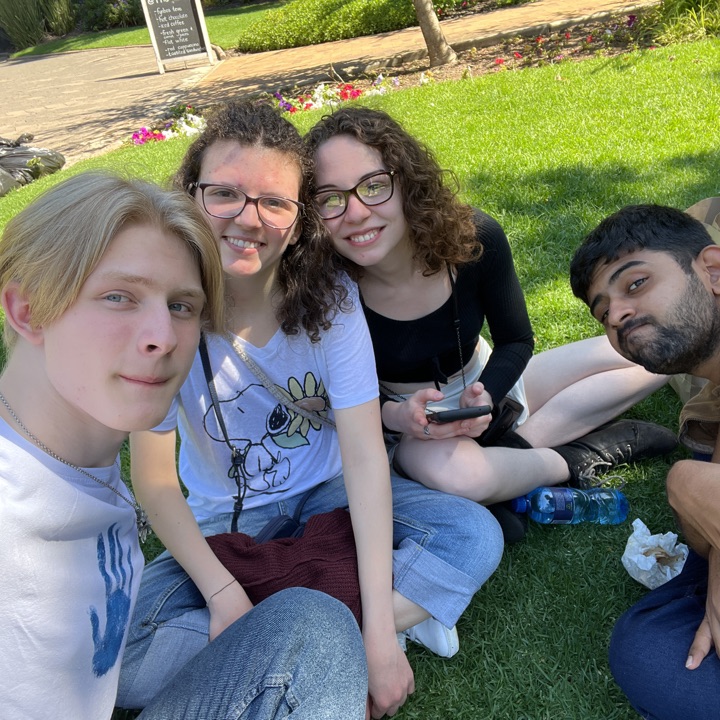
Considering a semester abroad?
See how Take Action Lab could align with your goals.
Developing Cultural Awareness
Educational Opportunities
Studying abroad is one of the most effective ways to build cultural awareness. Immersing oneself in a new environment not only broadens horizons but also challenges preconceptions, fostering adaptability and resilience. Programs focusing on the benefits of traveling abroad highlight how cultural immersion shapes well-rounded individuals by encouraging them to step outside their comfort zones and embrace new perspectives. These experiences teach students to navigate unfamiliar situations, develop problem-solving skills, and build confidence in cross-cultural interactions.
In addition to travel, many colleges offer courses dedicated to cultural studies, providing a structured approach to understanding traditions, languages, and histories. These courses often incorporate case studies, guest speakers, and group projects, helping students develop cultural competence in academic settings and beyond. By blending theory with practice, cultural education fosters deeper insights into global issues and equips students to address them thoughtfully.
Experiential Learning
Gap year programs and apprenticeships offer hands-on experiences that accelerate cultural learning. Opportunities such as Tilting Futures’ immersive learning programs enable students to live and work within diverse communities, providing real-world exposure to cultural differences. These programs emphasize the importance of hands-on learning, where participants develop practical skills while immersing themselves in new cultural contexts. Such programs create transformative experiences that shape participants into adaptable, empathetic leaders who are prepared to take on global challenges.
Building cultural awareness doesn’t always require international travel. Volunteering at local cultural festivals, joining multicultural clubs, and engaging in community service offer valuable opportunities to interact with diverse groups and expand cultural knowledge. These activities encourage relationship-building and expose participants to different traditions, foods, and languages, reinforcing cultural appreciation and strengthening interpersonal skills. Whether at home or abroad, developing cultural awareness is a lifelong journey that begins with curiosity and a willingness to learn.
Overcoming Challenges in Developing Cultural Awareness
Addressing Personal Biases
Developing cultural awareness requires honest self-reflection and a willingness to confront deeply ingrained beliefs. Recognizing and addressing unconscious biases can be uncomfortable, but it’s a crucial step toward personal growth and fostering inclusivity. Biases often stem from limited exposure to different cultures or misinformation, making it essential to seek out diverse perspectives and experiences. Strategies such as journaling can help individuals track their thoughts and identify patterns, while having open conversations with people from different backgrounds promotes understanding. Attending cultural workshops, participating in diversity training, and consuming media from different cultures—such as books, films, and podcasts—can also challenge assumptions and broaden perspectives. Overcoming personal biases is not about perfection but progress, as it requires ongoing self-assessment and a genuine desire to grow.
Navigating Cultural Misunderstandings
Even with the best intentions, cultural misunderstandings can occur, especially in unfamiliar environments. These misunderstandings often arise from differences in communication styles, traditions, or social norms. To navigate such situations effectively, active listening is key. This means giving full attention to the speaker, avoiding interruptions, and clarifying intentions when needed. Asking open-ended questions can also help uncover the root of misunderstandings and demonstrate genuine interest in learning about others’ perspectives. Approaching differences with curiosity rather than judgment fosters mutual respect and learning, turning moments of confusion into opportunities for deeper connection. Additionally, remaining patient and practicing humility can defuse tensions, reinforcing a shared commitment to understanding and respect. With time and practice, these strategies help individuals confidently handle cultural interactions, building stronger relationships in the process.
The Role of Tilting Futures in Promoting Cultural Awareness
Tilting Futures is committed to empowering young people through immersive experiences that prioritize personal growth, cultural awareness, and social impact. Their programs offer unique opportunities for students to develop the skills needed to thrive in multicultural environments.
Take Action Lab is a standout example of Tilting Futures’ approach to experiential learning. This program combines hands-on projects, cultural immersion, and mentorship to prepare participants for addressing real-world challenges. Students emerge not only with a deeper understanding of global issues but also with the tools to create meaningful change.
Are you ready to embrace the world, learn from its diversity, and create lasting change? Apply now to Tilting Futures’ Take Action Lab and start your journey toward a brighter, more inclusive future.