RESOURCES
2025-12-18
Preparing for College: Setting Yourself Up for Success
As you prepare for college, setting yourself up for success involves more than just acing exams or picking the right school. It’s about developing the skills and experiences that will help you navigate college life with confidence.
Published by Tilting Futures
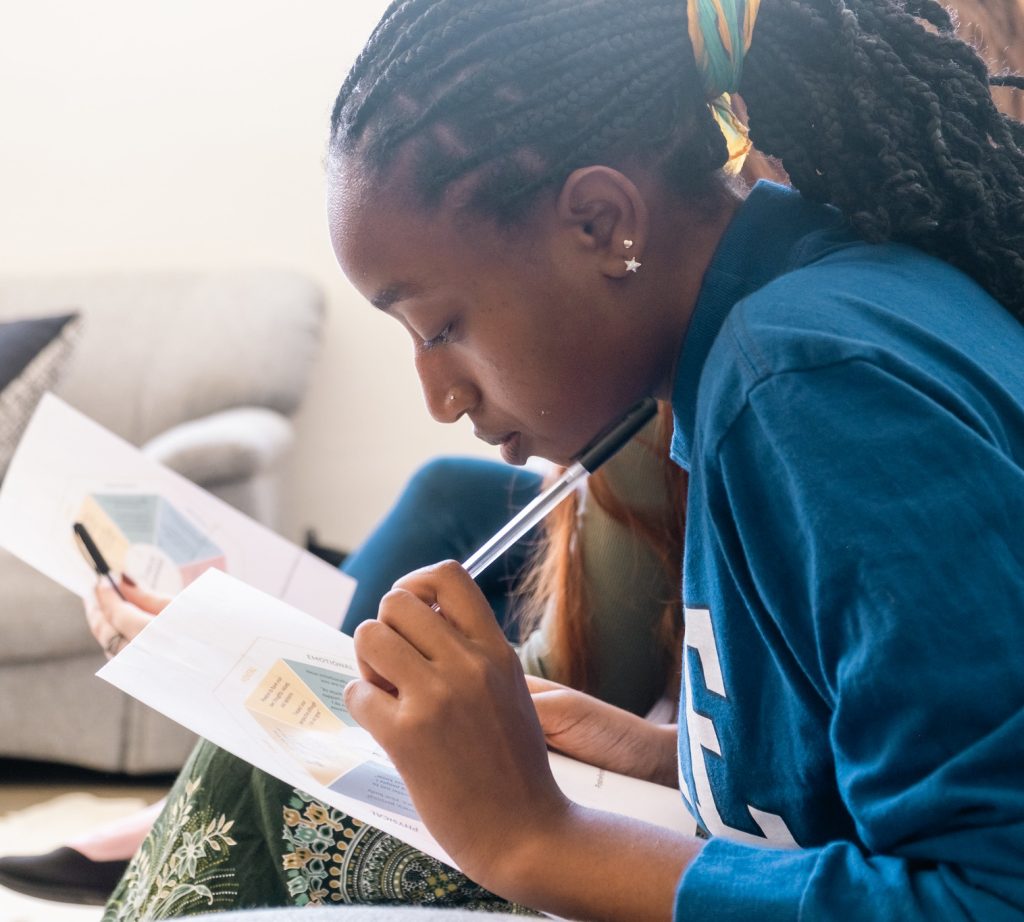
Transitioning from high school to college or university is one of the most significant steps in a young person’s life. Higher education offers independence, new experiences, and opportunities to grow both personally and academically. But with these opportunities come challenges such as navigating unfamiliar environments, balancing academics with social life, and planning for future careers. That’s why preparing for college is so important. A thoughtful, intentional approach to preparation can set students up for both success in academics and long-term fulfillment and resilience.
Preparation isn’t just about test scores or grades; it’s about building a foundation of knowledge, habits, and skills that will carry into adulthood. In this article, we’ll explore why preparation matters, what areas to focus on, and how opportunities like Tilting Futures’ gap year and gap semester programs can enhance readiness by giving students unique experiences and life skills, even earning college credit along the way.
Why Preparing for College Matters
College is more than just the next step in education. It’s an opportunity to shape a young person’s future path, expand their worldview, and discover passions. But the shift from high school to college can be overwhelming without preparation. Here’s why planning ahead is critical:
- Smooth Transition: Preparation reduces stress by making the academic and social leap feel manageable.
- Confidence & Independence: Students who practice independence early are more confident when faced with new responsibilities.
- Skill Development: Building life skills, like time management, budgeting, and communication, before college helps students thrive once they’re on their own.
- Better Outcomes: Students who prepare are more likely to persist through challenges, maintain strong GPAs, and graduate on time.
Research consistently shows that students who take time to prepare, whether through coursework, extracurriculars, or experiences like gap years, adjust more quickly to the expectations of higher education and report higher levels of satisfaction.
Academic Preparation
Higher education represents a new level of academic rigor, professors expect students to manage heavy reading loads, synthesize complex ideas, and work independently in ways that often feel very different from high school. Without a foundation of preparation, the sudden leap in expectations can feel overwhelming. Building strong habits, practicing effective study techniques, and exposure to challenging coursework before stepping onto campus can transform the transition into one of confidence rather than uncertainty.
Strengthen Study Skills
Effective study habits are among the most powerful predictors of college success. Teens should practice active recall, create study schedules, and use tools like planners or digital apps to manage assignments. Learning how to adapt study strategies to different subjects, such as flashcards for vocabulary or practice problems for math, ensures flexibility in tackling diverse coursework.
Embrace a Growth Mindset
A growth mindset—the belief that intelligence and ability can be developed—prepares students to face academic setbacks without losing confidence. Instead of fearing failure, students with a growth mindset approach challenges as opportunities for learning. This mindset has been linked to greater resilience, higher grades, and persistence in demanding courses.
Explore College-Level Work
Engaging in advanced courses such as AP, IB, or dual-enrollment programs exposes teens to the rigor of college-level academics. Even reading college-level materials outside of class, such as research articles or nonfiction books, helps develop analytical and critical thinking skills. These experiences provide a smoother transition to higher education by building academic stamina.
Extracurriculars & Experiences
Colleges and universities look far beyond grades when evaluating applications, they want to see who a student is outside the classroom. Academic transcripts show intellect, but extracurricular activities and meaningful experiences reveal curiosity, initiative, and character. They demonstrate how a student spends their time when it isn’t assigned, which often says even more about their passions and potential. A debate captain who learned to think on their feet, a volunteer who discovered empathy working with underserved communities, or a traveler who gained perspective from living abroad—all of these stories make applications stand out. Just as importantly, these experiences provide rich material for college essays, where admissions officers are eager to hear about challenges overcome, lessons learned, and personal growth. By investing in diverse experiences, students not only strengthen their applications but also cultivate the confidence and perspective they’ll carry with them into campus life.
Building Leadership
Leadership doesn’t only mean holding a title. It’s about taking initiative, being dependable, and motivating others. Students can demonstrate leadership by organizing community events, mentoring peers, or initiating projects at school. These experiences showcase responsibility and the ability to contribute positively to group settings.
Volunteering & Community Engagement
Giving back to the community highlights values like empathy, compassion, and civic responsibility. Volunteering also introduces teens to real-world challenges and the importance of collective action. Whether through local nonprofits, school programs, or global initiatives, service experiences stand out in college applications and help teens understand the impact they can have on the world.
Travel & Cultural Experiences
Exposure to different cultures broadens perspectives and cultivates adaptability. Teens who step outside their familiar environments through travel, exchange programs, or cultural immersion gain a deeper appreciation for diversity. Such experiences are invaluable in college, where students will engage with peers from a wide range of backgrounds.
Researching Colleges & Applications
Selecting the right college or university is one of the most consequential decisions a student will make, shaping not just the next four years but often the trajectory of their career and personal growth. It’s about far more than prestige or rankings; it’s about finding an environment where a student can learn, belong, and thrive. The right fit determines whether a student feels supported academically, inspired socially, and prepared professionally. Researching colleges thoroughly includes exploring programs, campus culture, support services, and opportunities beyond the classroom. These insights will help a student make choices that reflect their values and goals.
Identifying the Right Fit
Students should start by considering their priorities: Do they prefer a large research university or a small liberal arts college? Are they drawn to urban environments or smaller towns? Reflecting on learning style, career goals, and desired social atmosphere helps identify colleges that align with their values and aspirations.
Building a Strong Application
Applications should tell a compelling story. This includes carefully crafted essays, authentic reflections on extracurricular activities, and strong letters of recommendation. Colleges value honesty and individuality, students should highlight experiences that shaped them, rather than trying to fit a mold.
Test Preparation
Though many schools are now test-optional, strong standardized test scores can still provide an advantage. Preparing early through practice tests, tutoring, or self-study ensures students feel confident and perform at their best if they choose to submit scores.
Developing Life Skills
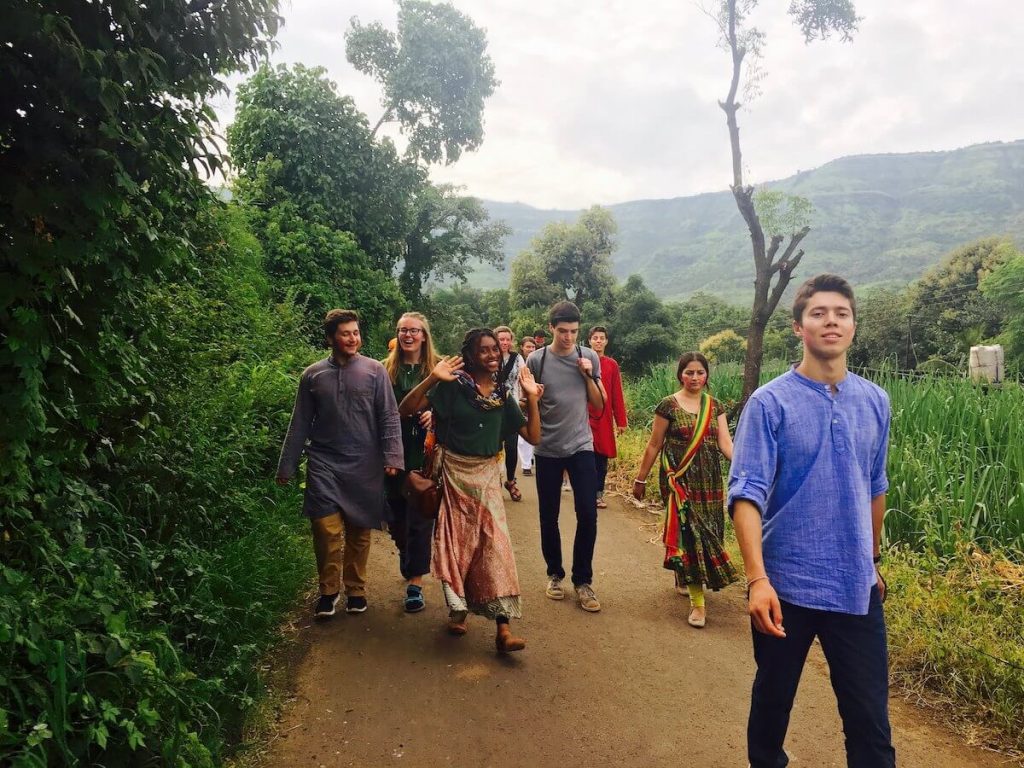
Academic readiness and strong applications matter, but many students discover that what truly prepares them for the college experience are the life skills they bring with them. Starting college or university often means living away from home for the first time, managing daily responsibilities, and adapting to a new level of independence. Programs like Take Action Labs offered by Tilting Futures give students the opportunity to practice these skills in real-world environments before stepping onto campus. Through these programs, participants take part in cultural immersion, service-learning, and leadership projects across international settings. These experiences require teens to manage budgets, adapt to new cultural norms, and collaborate with peers on meaningful initiatives. Below are some of the most important life skills to develop before heading off to college, each of which can be strengthened through hands-on experiences like those offered by Tilting Futures.
Time Management
College students must juggle multiple responsibilities without the structured guidance of high school. Learning to prioritize tasks, create daily schedules, and manage deadlines ahead of time builds habits that reduce stress and increase productivity. Tilting Futures participants practice this daily as they balance travel schedules, project deadlines, and group responsibilities.
Financial Literacy
Understanding money management is essential. Budgeting for meals, rent, and textbooks helps students avoid unnecessary debt. Familiarity with concepts like credit, interest rates, and student loans prepares them to make sound financial decisions. During Tilting Futures programs, students often manage personal and group budgets, giving them firsthand experience in handling expenses responsibly.
Health & Well-Being
Physical and mental health directly impact academic success. Preparing for college should include learning how to cook simple, nutritious meals, practicing consistent sleep routines, and building healthy coping mechanisms for stress. Recognizing when to seek help is equally vital, whether it’s visiting a counselor or accessing campus health services. Living abroad in a structured program environment gives participants opportunities to practice self-care in new and sometimes challenging contexts.
Communication Skills
College involves constant interaction with professors, peers, and staff. Strong communication skills, both verbal and written, help students express ideas clearly, collaborate on projects, and build meaningful connections. Tilting Futures students strengthen these skills while working with international peers, community partners, and mentors across diverse settings.
Problem-Solving & Adaptability
Unexpected challenges are inevitable, from roommate conflicts to course load difficulties. Students who can break problems down, evaluate options, and adapt their strategies are better prepared to face college with resilience and composure. Whether it’s navigating transportation in a new city or adjusting to cultural differences, Tilting Futures participants develop these skills daily, returning home more confident and prepared for the unpredictability of college life.
Financial Preparation for College
College is not only an academic journey, it also represents a major financial investment that can shape a student’s future long after graduation. Tuition, housing, textbooks, and everyday living costs add up quickly, making it essential for students and families to think ahead. By planning early, researching available resources, and learning how to manage money responsibly, students can reduce financial stress and focus more fully on their studies and campus life. Understanding funding options also helps young people make wiser choices about where to enroll and how to balance costs with long-term goals.
Scholarships and Grants
One of the most effective ways to finance college is through scholarships and grants, which do not require repayment. Students should begin researching opportunities as early as junior year of high school, exploring both national scholarships and local community options. Applications often require essays, recommendation letters, and proof of academic or extracurricular achievement. Applying to multiple scholarships increases the likelihood of securing funding.
Saving and Family Support
For many families, a combination of parental support and personal savings contributes to covering expenses. Teens can begin saving money through part-time jobs, summer work, or even small contributions over several years that add up significantly. Open conversations with parents or guardians about financial expectations ensure clarity and help students avoid surprises when tuition bills arrive.
Student Loans
Loans are another common way to fund higher education, but they require careful planning. Students should learn the difference between federal and private loans, understand interest rates, and be realistic about repayment timelines. Borrowing responsibly by taking out only what is necessary helps minimize debt after graduation. Financial literacy skills, such as reading loan agreements and projecting future monthly payments, are essential for making informed decisions.
Budgeting for College Life
Beyond tuition, students must plan for living expenses, textbooks, travel, and daily necessities. Creating a budget before college begins teaches responsibility and ensures that available funds whether from scholarships, savings, family, or loans are used wisely. Developing these habits early reduces the likelihood of financial strain during the college years.
From Preparation to Possibility
Preparing for college is about more than grades and test scores, it’s about laying the foundation for independence, resilience, and long-term success. Academic preparation, extracurricular experiences, strong applications, and essential life skills all play a role in helping students thrive.
With opportunities like Tilting Future’s programs, students can take their preparation to the next level. These experiences provide hands-on growth, global perspective, and college credit, ensuring teens don’t just step into college—they stride in ready to succeed.
Investing in preparation today sets students up for a lifetime of confidence, adaptability, and achievement. Whether it’s through strengthening study habits, volunteering in the community, or exploring the world with Tilting Futures, every step taken now paves the way for a bright, fulfilling future.
An impactful gap semester program
See how Take Action Lab can help your student become a well-rounded citizen of the world.