RESOURCES
2026-4-8
College Readiness Programs: Preparing for College and the Future Ahead
Starting the journey to college can feel both exciting and overwhelming, especially when students are trying to connect today’s decisions with future goals.
Published by Tilting Futures
Key Takeaways
- College readiness programs help students develop the academic skills, confidence, and habits needed to transition successfully from high school to college.
- The most effective programs combine academic preparation with career exploration so students understand how education connects to real opportunities.
- Hands-on learning experiences can help students explore potential career paths early and make more informed decisions about their future.
Thinking about life after high school can feel exciting, but it can also raise a lot of questions. Many students know they want to go to college, yet figuring out how to prepare for that transition is not always straightforward. Applications, majors, career goals, and financial decisions can all feel like a lot to navigate at once.
This is where college readiness programs can make a meaningful difference. These programs help students build the skills and confidence needed to move from high school into college and eventually into a career. They offer guidance and opportunities to explore what the future might look like.
For students, preparation often works best when it goes beyond textbooks and applications. Programs that connect education with real-world experiences can make college planning feel more practical and motivating.
What College Readiness Programs Help Students Learn
Many students assume college readiness programs are only about improving grades or preparing for entrance exams. While academics are important, true readiness includes a wider set of skills.
Students preparing for college benefit from learning how to manage their time, organize assignments, communicate effectively with instructors, and take responsibility for their own learning. These skills become especially important once students begin managing their own schedules and coursework.
Many college readiness programs for high school students also help students understand the college process itself. Students may learn how applications work, explore financial aid options, and begin researching colleges that match their goals and interests.
Programs that include career exploration add another valuable layer to preparation. When students begin to see how education connects to real careers, their academic work can feel more meaningful and purposeful.
Experiential learning organizations like Tilting Futures often complement traditional college preparation by helping students explore real industries and career paths. Exposure to professionals and hands-on experiences can give students insights that classroom learning alone may not provide.
Why Career Exploration Is Part of College Readiness
Choosing a college or major can feel difficult when students have limited exposure to the careers those choices might lead to. Many students begin college without a clear understanding of what different professions involve.
That is why many modern college readiness programs include career exploration as part of their approach.
Learning about careers early can help students connect their academic interests with future opportunities. When students see how their skills and passions could translate into real jobs, they often feel more motivated and confident in their educational decisions.
Organizations focused on experiential learning provide opportunities for students to interact with professionals and gain insight into real work environments. These experiences help students ask questions, explore possibilities, and understand what different career paths might look like day to day.
Exposure like this can help students enter college with greater clarity about their goals.
Building Skills That Support College Success
Preparing for college is not only about academic ability. Students also benefit from developing confidence and strong problem-solving skills.
Strong college readiness programs often focus on helping students practice these abilities before they enter college. Students learn how to manage complex projects, collaborate with others, and approach unfamiliar challenges.
Experiential learning can play an important role in building these skills. When students participate in real-world projects or career exploration experiences, they develop critical thinking and communication abilities that support both college and future careers.
Programs offered through Tilting Futures often emphasize this type of hands-on learning. By connecting students with real industries and professionals, students can begin developing practical skills while also exploring possible career interests.
This kind of experience helps students feel more prepared and confident as they move toward college.
Using a College Readiness Checklist
For many students, preparation becomes easier when it is broken into manageable steps. A simple college readiness checklist can help students stay organized and focused as they prepare for the transition from high school to college.
A checklist allows students to track their progress and see how different actions contribute to their long-term goals. Instead of feeling overwhelmed by everything that needs to be done, students can move forward step by step.
Here is an example of what a practical college readiness checklist might include:
☐ Maintain strong performance in core academic subjects and take courses that challenge you.
☐ Build study habits that help you stay organized, meet deadlines, and manage your time effectively.
☐ Start researching colleges, programs, and potential majors that align with your interests.
☐ Learn about financial aid, scholarships, and the costs associated with higher education.
☐ Talk with teachers, counselors, or mentors about academic and career goals.
☐ Explore potential careers through research, conversations with professionals, or hands-on experiences.
☐ Participate in activities that help you develop leadership, teamwork, and communication skills.
☐ Begin preparing materials you may need for applications such as essays, recommendation letters, and transcripts.
☐ Look for opportunities that allow you to gain real-world exposure to industries that interest you.
Career exploration is an especially valuable part of any preparation plan. Understanding how education connects to real careers can help students make more thoughtful decisions about what they want to study.
Hands-on learning opportunities can support this process. Experiences that allow students to interact with professionals and explore industries can provide insights that are difficult to gain from research alone. Experiential learning programs often focus on these types of experiences, helping students see how different careers operate in practice while building skills that support college readiness.
Taking time to work through a thoughtful college readiness checklist can help students feel more confident and prepared as they take the next steps toward college.
Preparing for a Future That Is Still Taking Shape
The world students will enter after college is constantly evolving. New industries are emerging, technology continues to change the way people work, and many careers look very different from those of previous generations.
Preparing for this future requires more than academic preparation alone. Students benefit from developing curiosity and a willingness to explore new ideas.
Many college readiness programs recognize this and aim to provide experiences that help students think critically about their interests and goals. Opportunities for exploration can help students discover passions they may not have known about before.
College readiness programs, including those developed by Tilting Futures, are designed to help students explore possibilities and better understand how their education connects to the working world.
These experiences can help students approach college with a stronger sense of purpose.
Start Exploring the Path Ahead
Preparing for college is an important step, but it is also part of a larger journey toward discovering interests and exploring potential career paths.
Strong college readiness programs can help students develop the academic habits and life skills needed to succeed in higher education. When preparation also includes real-world exploration, students gain an even clearer understanding of how their education connects to future opportunities.
Tilting Futures works with schools, communities, and industry professionals to give students opportunities to explore careers and gain hands-on learning experiences. These opportunities can help students better understand the possibilities ahead.
If you want to learn more about exploring careers and building real-world skills can start by Exploring Take Action Labs and discover opportunities designed to support the journey toward college and beyond.
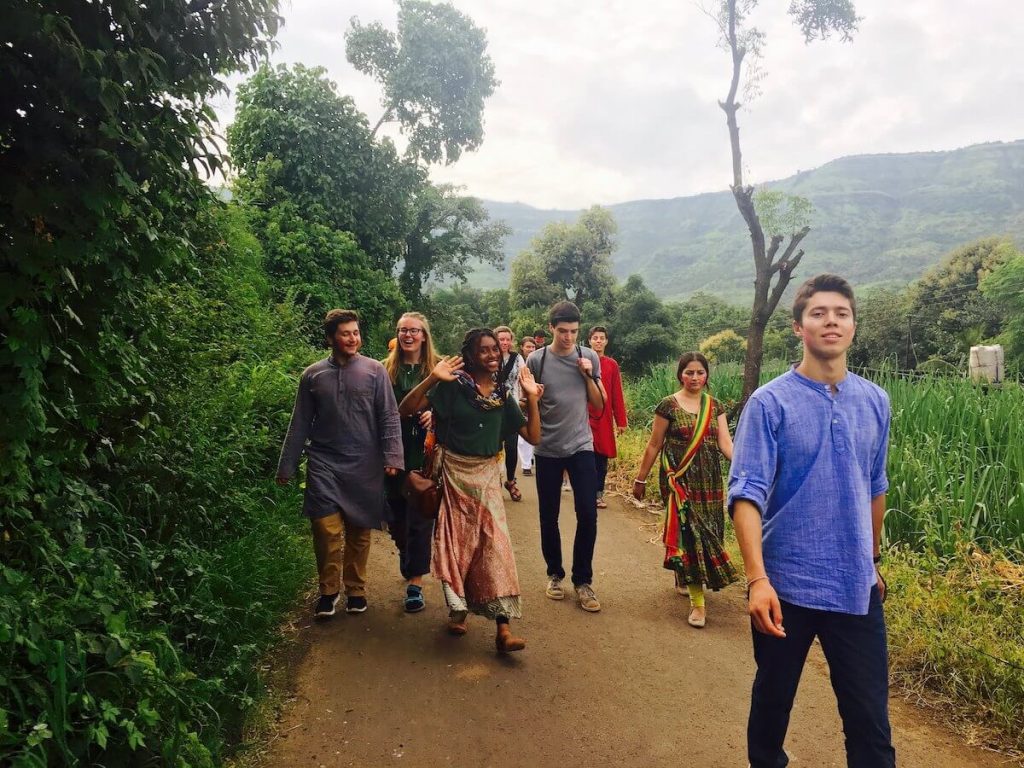
An impactful gap semester program
See how Take Action Lab can help your student become a well-rounded citizen of the world.