RESOURCES
2026-9-17
How to Prepare for a Job Interview: 10 Tips to Feel Ready
A job interview doesn’t have to feel overwhelming. Discover 10 practical tips, from researching the company and using the STAR method, to prepare with confidence and make a strong impression.
Published by Tilting Futures
Key Takeaways
- Research the organization, its work, and the role so you understand what the employer is looking for.
- Review your experience and prepare specific examples that demonstrate your skills, values, and growth.
- Practice common interview questions without scripting every word.
- Prepare thoughtful questions that show curiosity about the role, team, and organization.
- Plan the practical details ahead of time so you can focus your energy on the conversation itself.
- Real-world experiences can make interviews easier by giving you meaningful stories that demonstrate communication, adaptability, teamwork, and initiative.
What Should I Do to Prepare for a Job Interview?
To prepare for a job interview, start by researching the company and reviewing the job description. Then identify examples from your experience that show you can do the work, practice answering common questions, prepare questions of your own, and plan the practical details for interview day. The goal is to enter the interview informed, prepared, and ready to have a genuine conversation.
1. Research the Company Before the Interview
One of the best ways to prepare is to understand the organization you are interviewing with. You do not need to know every detail, but you should be able to explain what the organization does, who it serves, and why the opportunity interests you.
Start with the company website and review its mission, products or services, recent work, and values. If the organization publishes news, reports, social content, or employee stories, those can also help you understand what it cares about and how it communicates.
As you research, consider a few questions:
- What problem does this organization help solve?
- Who are its customers, clients, or communities?
- What values or priorities stand out?
- What about its work genuinely interests you?
- How does this role contribute to the organization?
This research gives you context for the interview and helps you move beyond generic answers. It also makes it easier to explain why you are interested in this specific opportunity rather than simply saying you need a job.
2. Review the Job Description and Understand the Role
The job description is one of your best interview preparation tools. Read it again before the interview and look for repeated responsibilities, skills, and qualities. Those are clues about what the interviewer is likely to ask.
Make a short list of the role’s most important requirements. Next to each one, write down an example from your own experience that demonstrates a related strength. Your examples do not have to come from a full-time job. School projects, internships, volunteer work, clubs, athletics, part-time jobs, apprenticeships, and community involvement can all demonstrate valuable skills.
For example, if the role emphasizes collaboration, think about a time you worked with other people toward a shared goal. If it calls for adaptability, identify a situation where plans changed and you had to adjust. If communication matters, prepare an example of how you explained an idea, resolved a misunderstanding, or worked with people who had different perspectives.
If you are still building professional experience, focus on transferable strengths. Employers often value communication, teamwork, problem-solving, adaptability, initiative, and leadership across many different roles. You can explore more of the skills employers look for and consider where you have already practiced them.
3. Prepare Your Story
An interview is not only a test of whether you meet a list of qualifications. It is also a chance to help someone understand how your experiences have shaped you and what you want to do next.
Before the interview, practice giving a concise introduction to yourself. You might briefly explain what you are studying or working on, what kinds of experiences have influenced your interests, and why this role makes sense as a next step.
A strong answer connects the past, present, and future: what you have done, what you have learned, and what you hope to contribute or learn next. This can help you answer questions like “Tell me about yourself” without simply repeating your resume.
4. Practice Common Interview Questions
You cannot predict every question, but you can prepare for common themes. Practice saying your answers out loud so you become comfortable organizing your thoughts in the moment.
Questions you may want to practice include:
- Tell me about yourself.
- Why are you interested in this role?
- Why do you want to work with this organization?
- What are your greatest strengths?
- Tell me about a challenge or setback and how you handled it.
- Describe a time you worked on a team.
- Tell me about a time you took initiative.
- What is something you are working to improve?
- What are you hoping to learn in your next role?
Aim to prepare the ideas behind your answers rather than memorizing sentences word for word. Over-rehearsed answers can sound less natural, and you want enough flexibility to respond to the question you are actually asked.
5. Use the STAR Method for Experience-Based Questions
When an interviewer asks you to describe a past experience, the STAR method can help you give a clear answer. STAR stands for Situation, Task, Action, and Result.
Situation: Briefly explain the context.
Task: Describe your responsibility or the challenge you faced.
Action: Explain the specific steps you took.
Result: Share what happened and, when relevant, what you learned.
The strongest STAR answers focus most of their attention on your actions. For example, instead of saying “we completed the project,” explain what you personally contributed, how you approached the challenge, and how your choices affected the outcome.
Do not worry if every story does not end with a perfect result. A thoughtful example of a mistake, challenge, or change in direction can still be powerful when you can explain what you learned and how you would apply that lesson in the future.
6. Prepare Questions to Ask the Interviewer
Most interviews end with some version of “What questions do you have for us?” Treat this as part of the interview, not an afterthought. Good questions demonstrate curiosity and help you decide whether the opportunity fits your goals.
Consider asking questions such as:
- What would success look like in this role during the first few months?
- What kinds of projects would I work on most often?
- How does the team collaborate?
- What qualities help someone thrive here?
- What learning or mentorship opportunities are available?
- What do you enjoy most about working here?
- What are the next steps in the interview process?
Try to avoid asking something that is answered clearly on the company website. The best questions build on what you have already learned and invite the interviewer to share insight you could not get from basic research.
7. Practice With Another Person
A mock interview can make the real conversation feel much more familiar. Ask a teacher, mentor, friend, family member, career counselor, or trusted peer to practice with you. Give them a few common questions and ask for feedback on your clarity, pacing, and examples.
You can also record yourself answering a few questions. Listening back may help you notice when an answer is too long, too vague, or missing a clear example. The goal is not to eliminate every pause or “um.” It is to become more comfortable communicating your experiences in a focused way.
8. Plan the Practical Details Ahead of Time
Interview preparation also includes logistics. Small details can create unnecessary stress when they are left until the last minute.
Before an in-person interview, confirm the address, transportation plan, parking or building access, and expected arrival time. Choose an outfit that fits the workplace and makes you feel comfortable and professional. Bring any materials the employer requested, along with a few copies of your resume if appropriate.
For a virtual interview, test your internet connection, camera, microphone, and meeting link. Find a quiet space with a simple background and enough light for the interviewer to see you clearly. Close unnecessary tabs and silence notifications before the call begins.
Whether the interview is online or in person, plan to be ready a little early. That extra time gives you room to settle in rather than starting the conversation rushed.
9. Focus on Connection, Not Perfection
Once the interview begins, remember that it is a conversation. Listen carefully, take a moment to think before answering, and ask for clarification if you are unsure what a question means.
Try to give specific answers instead of saying what you think the interviewer wants to hear. Your interests, experiences, values, and perspective are part of what you bring to a team. Interviewers are evaluating your skills, but they are also trying to understand how you communicate, learn, collaborate, and respond to challenges.
If you do not know an answer, you can be honest and explain how you would approach finding one. Curiosity and a willingness to learn can be more meaningful than pretending to know something you do not.
10. Follow Up After the Interview
After the interview, send a short thank-you email when appropriate. Thank the interviewer for their time, mention something specific you appreciated about the conversation, and briefly reinforce your interest in the role.
Then reflect on what went well and what you would improve next time. Interviewing is a skill, and each conversation gives you another chance to become clearer and more confident about communicating who you are and what you can contribute.
How Real-World Experience Can Make Interview Preparation Easier
One reason job interviews can feel difficult is that they ask you to turn your experiences into stories about your skills. The more opportunities you have to work with other people, solve real problems, adapt to unfamiliar situations, and reflect on what you learned, the more examples you have to draw from.
Hands-on experiences such as internships, apprenticeships, volunteering, and project-based learning can help you build both skills and confidence. They can also help you learn what kinds of work energize you, what environments help you grow, and what you want from your next opportunity. If you are looking for ways to build experience before entering the workforce, explore these internship skills and think about where you could practice them in real settings.
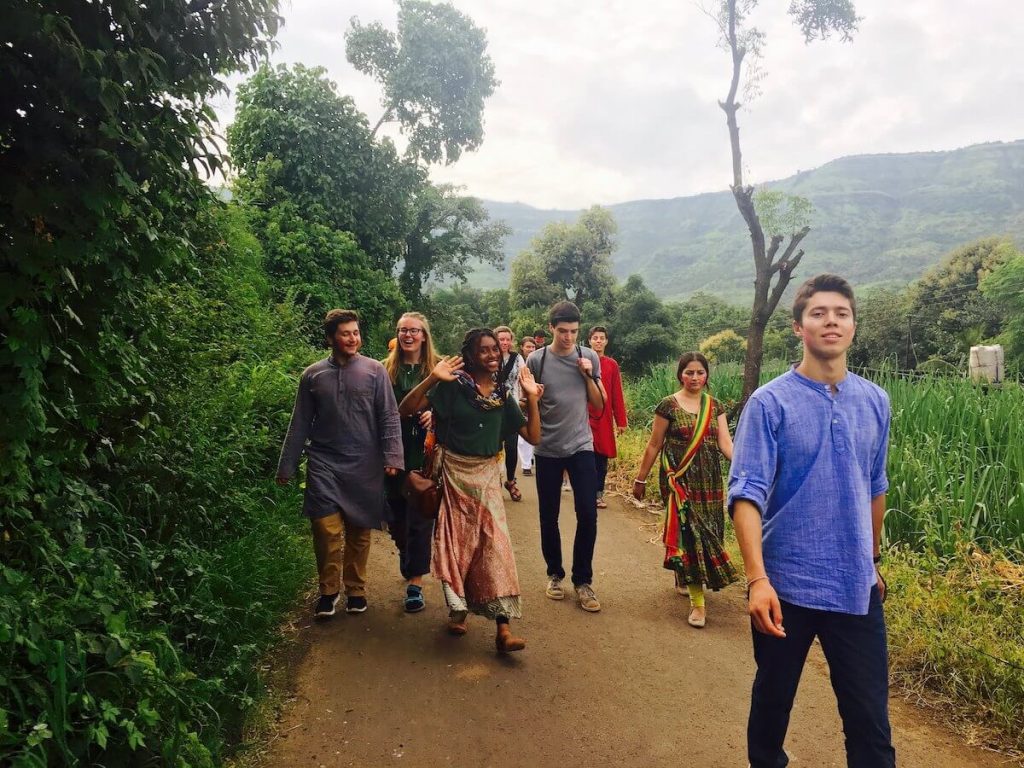
Tilting Futures’ Take Action Lab combines immersive global learning with hands-on apprenticeships and guided reflection. Students learn alongside a diverse cohort while practicing communication, collaboration, adaptability, self-awareness, and leadership in real-world settings. Experiences like these can give you more than a line on a resume. They can give you a clearer understanding of your strengths and meaningful examples to talk about when an interviewer asks what you have learned, how you have grown, or how you respond to challenges.
Frequently Asked Questions About Preparing for a Job Interview
How early should I start preparing for a job interview?
Start as soon as the interview is scheduled. Even a few focused hours can help, but giving yourself a day or two allows more time to research the organization, review the role, practice responses, prepare questions, and handle interview-day logistics without rushing.
What should I research before a job interview?
Research what the organization does, who it serves, its mission or values, and any recent work that is relevant to the role. You should also review the job description carefully so you understand the responsibilities and skills the employer is prioritizing.
How do I prepare for a job interview with little work experience?
Use examples from school, volunteer work, clubs, athletics, personal projects, internships, apprenticeships, or part-time jobs. Focus on transferable skills such as communication, teamwork, problem-solving, adaptability, leadership, and initiative. What matters is being able to explain what you did and what you learned.
Should I memorize answers before an interview?
It is better to prepare key ideas and examples than to memorize full responses. Practice enough that you can explain your experience clearly, but leave room to adapt your answer to the exact question and have a natural conversation.
What should I do the day before a job interview?
Review your notes about the company and role, choose your outfit, confirm the time and location or meeting link, prepare any materials you need, and practice a few key answers. Then give yourself time to rest so you can arrive focused and ready to engage.
Prepare for More Than the Interview
Knowing how to prepare for a job interview can help you feel more confident when an opportunity arrives. But the strongest preparation happens long before the interview itself. Every experience that helps you communicate across differences, solve problems, take initiative, reflect on feedback, and understand your strengths gives you more to bring into your future work.
If you want to gain hands-on experience, build future-ready skills, and learn more about the impact you want to make, explore Take Action Lab from Tilting Futures. Real-world learning can help you prepare not only for your next interview, but for the opportunities that come after it.
An impactful gap semester program
See how Take Action Lab can help your student become a well-rounded citizen of the world.